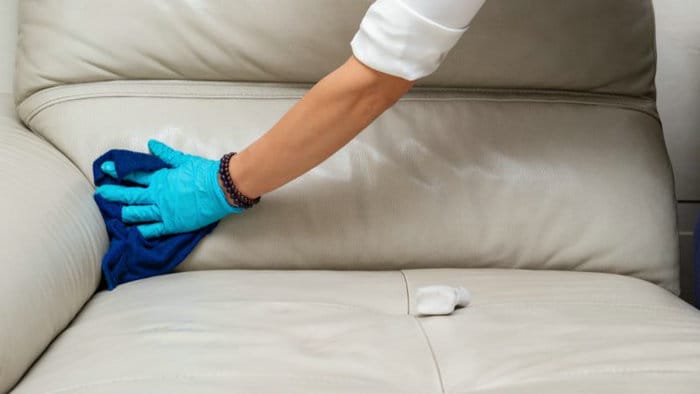

Wall panels add character to your home, but dust, dirt, and grime can build up over time and make them look dull. To clean wall panels, use a soft cloth with a gentle cleaning solution made from warm water and mild detergent, working from top to bottom in circular motions. The right approach depends on what type of panels you have and their finish.
This guide will walk you through everything you need to know about cleaning your wall panels. You’ll learn how to identify your panel type, choose the best cleaning solutions, and follow simple steps that work.
Understanding Your Wall Panel Type
Different wall panel materials need different cleaning methods to avoid damage. Wood requires gentler care than vinyl, and finished surfaces handle moisture better than unfinished ones.
Wood Paneling vs. Other Materials
Wood paneling brings natural warmth to your walls but needs careful handling. Real wood absorbs moisture easily, which can cause warping or swelling. You’ll want to use barely damp cloths when you clean wood paneling walls.
Laminate and vinyl panels are more forgiving. These materials resist water better than natural wood. Laminate has a protective coating over a printed surface, while vinyl or PVC panels work well in bathrooms and kitchens because moisture doesn’t harm them.
Finished Versus Unfinished Paneling
Finished paneling has a protective layer of varnish, paint, or sealant. You can clean these surfaces with damp cloths and mild soap.
Unfinished wood panels have no protective coating. These absorb liquids and stains quickly. Stick to dry dusting methods only when you clean wall paneling that’s unfinished. A vacuum with a soft brush attachment works great for removing dust without adding moisture.
Unique Considerations for Painted and PVC Panels
Painted panels handle cleaning well but can scratch if you scrub too hard. Use soft cloths and avoid abrasive cleaners that strip paint.
PVC panels are the toughest option. They resist chemicals and moisture damage effectively.
Essential Tools and Gentle Cleaning Solutions
The right tools and cleaning mixtures protect your wall panels from damage while getting them clean.
Choosing Soft Cloths and Brushes
Use microfiber cloths for cleaning your wall panels. These cloths are soft and won’t scratch the surface. They pick up dust and dirt without leaving streaks behind.
A vacuum with a soft brush attachment works well for removing loose dust. Keep the suction on a low setting to avoid scratching. For tight spaces between panels, a soft-bristled brush helps reach into grooves and crevices.
Making Gentle Cleaning Solutions
Mix warm water with a mild detergent to clean wood panel walls safely. Add one teaspoon of detergent to one quart of water. You can also use a specialized wood cleaner made for panels.
Don’t use harsh chemicals, vinegar, or ammonia. These products can strip the finish or cause discoloration. Furniture polish isn’t recommended either because it leaves a greasy film.
Patch Testing Before Cleaning
Test your cleaning solution on a hidden spot first. Pick a small area behind furniture or in a corner. Apply a little solution and wait a few minutes.
Check for any damage or color changes. This step helps you avoid ruining your entire wall with the wrong product.
Step-by-Step Cleaning Methods
The right cleaning approach depends on your panel type and the level of dirt buildup. Start with gentle methods and increase intensity only when needed.
Routine Dusting and Maintenance
Dust your wall panels weekly using a microfiber cloth or soft-bristle brush. For wood panel walls, always wipe along the grain to avoid scratching the surface.
You can also use a vacuum with a brush attachment to remove dust from grooves and textured areas. This works especially well for unfinished paneling where dust settles into cracks.
Keep your panels looking fresh by addressing spills immediately. A quick wipe with a dry cloth prevents stains from setting in.
Deep Cleaning Techniques for Different Surfaces
Mix a few drops of mild dish soap with warm water in a bucket. Dampen your cloth with this solution and wring it out well before wiping the panels.
For wood panels, test your cleaning solution on a hidden spot first. Some finishes react poorly to certain cleaners.
Clean unfinished paneling with minimal water since bare wood absorbs moisture easily. Use an almost-dry cloth and work in small sections.
Handling Stains and Sticky Residue
Create a paste using baking soda and water for stubborn marks. Apply it gently to the stain and let it sit for two minutes before wiping clean.
For sticky residue, try a small amount of mineral spirits on a cloth. This works well on wood paneling without damaging the finish.
Drying and Buffing for a Perfect Finish
Wipe panels dry immediately after cleaning using a clean, soft cloth. This prevents water spots and protects the wood from moisture damage.
Buff wood panels with furniture polish to restore shine and add protection.
Maintaining and Caring for Wall Paneling Long-Term
Proper long-term care keeps your wall panels looking beautiful for years. Regular cleaning, edge protection, and moisture control prevent damage and maintain the natural finish.
Regular Upkeep for Lasting Beauty
Dust your wall panels weekly using a soft microfiber cloth or vacuum with a brush attachment. This prevents dirt buildup in grooves and keeps the surface fresh.
Clean your panels every few months with a gentle solution. Mix a few drops of mild dish soap with warm water, or use equal parts white vinegar and water. Wring out your cloth well before wiping.
Polish wood panels every three to four months. Apply a wood conditioner or polish made for your panel type. Buff gently with a clean cloth to restore shine.
Tips for Protecting Edges and Grooves
Pay special attention to edges and grooves where dust collects. Use a soft-bristle brush to clean these tight spaces without scratching.
Place furniture pads between walls and any furniture that touches your panels. This prevents scratches and scuffs from daily contact.
Keep humidity levels between 30-50% in your home. Use a humidifier in dry weather and a dehumidifier in damp conditions.
Restoring Shine and Preventing Moisture Damage
Dry panels immediately after cleaning to prevent water spots and warping. Never let moisture sit on the surface.
For dull areas, mix two parts olive oil with one part lemon juice. Apply with a soft cloth and buff until shiny. This nourishes wood and adds protection.
Use blinds or curtains to block direct sunlight, which fades and dries panels over time.
Connect With Us at Sinocomfort
I hope these maintenance tips help you keep your space in pristine condition! At Sinocomfort, we believe that beautiful design should last a lifetime. As a leading global supplier, my mission is to provide you with the high-quality materials and expert knowledge you need to protect your investment.
Visit our Contact Us page to request a quote or ask a question. I look forward to helping you bring your next project to life!
Frequently Asked Questions
What’s the best way to dust off wall panels without scratching them?
Use a soft microfiber cloth or a vacuum with a soft brush attachment on a low setting. Start at the top and work your way down. This prevents dust from settling on areas you’ve already cleaned.
Can you give me some tips for removing stains from my wall panels?
Mix warm water with a mild detergent using one teaspoon per quart of water. Dip a microfiber cloth in the solution and wring it out well. Gently wipe the stain in circular motions.
I’m curious, what should I avoid using when cleaning my wall panels to prevent damage?
Avoid vinegar, ammonia, harsh chemicals, and furniture polish. These can strip the finish or leave greasy residue. Skip pressure washers too, as they’re too powerful for wall panels.
Wow, is there a homemade solution for making my wall panels shine?
A simple mix of warm water and mild dish soap works well for most panels. Always test on a small hidden spot first.
How often should I be cleaning my wall panels to keep them looking good?
Dust your panels monthly and deep clean them every few months.
Could you tell me if it’s safe to use a steam cleaner on my wall panels?
No, steam cleaners can damage wood panels by forcing moisture into cracks and potentially warping the wood.