
Mattress Fabric
Products Categories
Request a Quote
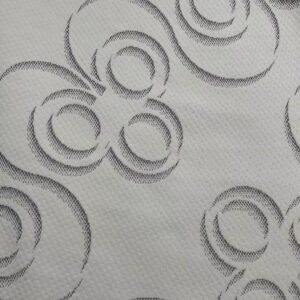
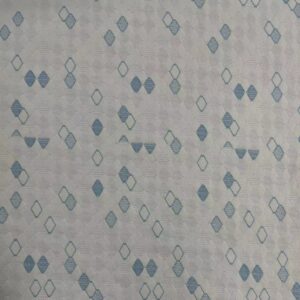
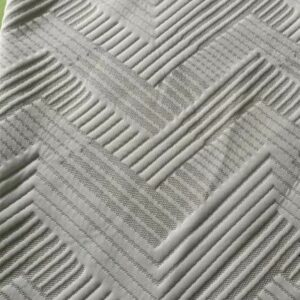
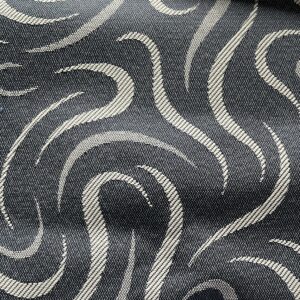
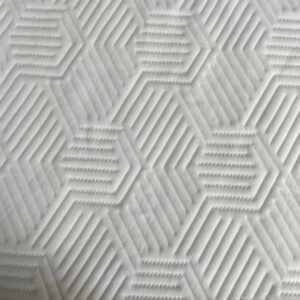
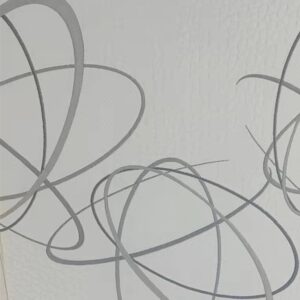
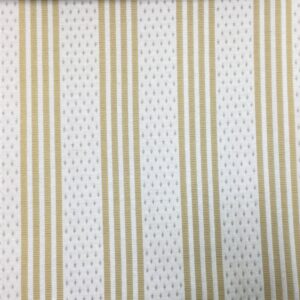
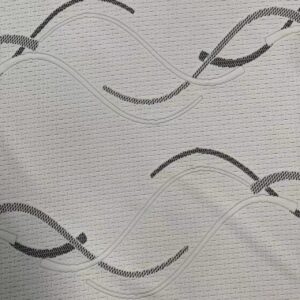
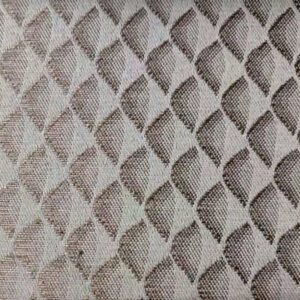
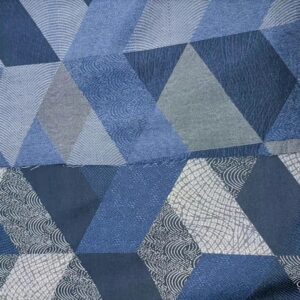
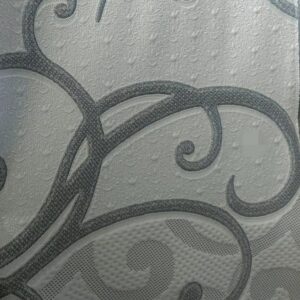
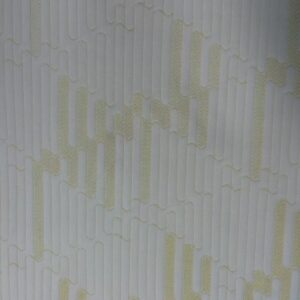

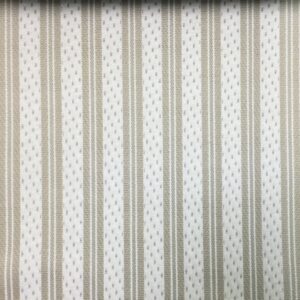
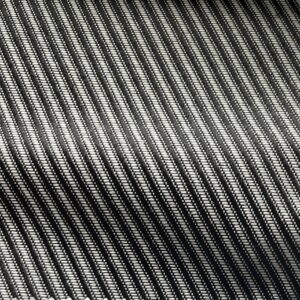
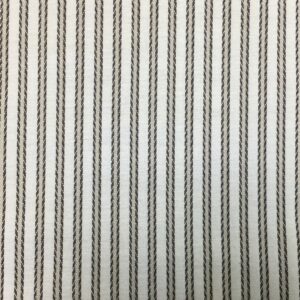
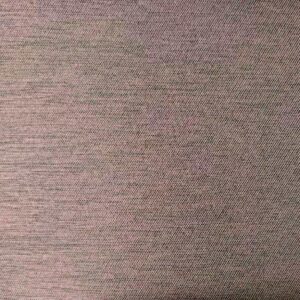
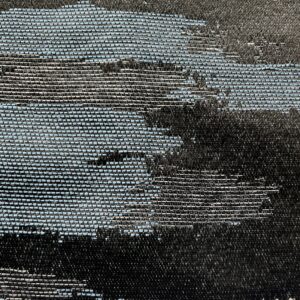
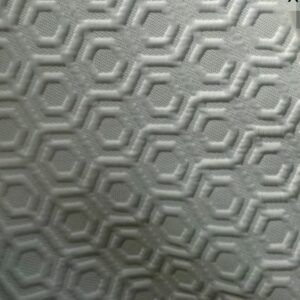
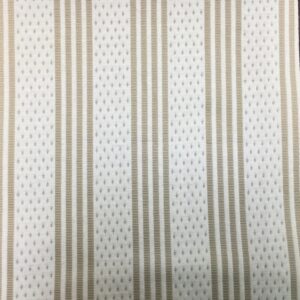
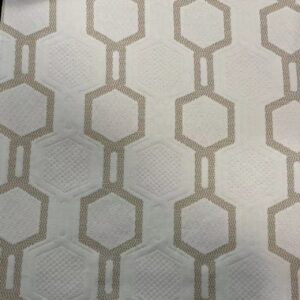
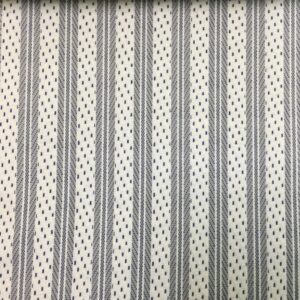
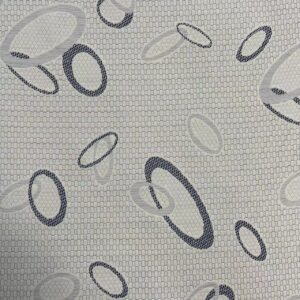
What Is Mattress Fabric?
Mattress fabric, also called mattress ticking, is the material that covers the outer surface of your mattress.
It serves practical purposes like protecting the mattress while affecting how your bed feels and performs during sleep.
Core Functions of Mattress Fabrics
They create a barrier that protects the inner foam, springs, or other materials from dust, moisture, and daily wear.
Some materials help air move through your mattress to keep you cool, while others trap warmth if you tend to sleep cold, make you comfortable at night.
Many mattress fabrics include treatments that resist stains, repel liquids, or prevent bacteria and allergens from building up over time.
Types of Materials Used for Mattress Covers
Cotton is one of the most popular choices because it breathes well and feels soft. It absorbs moisture naturally and works for most sleepers.
Polyester costs less than natural fibers and resists wrinkles and shrinking. Manufacturers often blend it with cotton to balance comfort and durability.
Bamboo-derived fabrics have become more common in recent years. They feel smooth, help regulate temperature, and naturally resist odors.
Tencel (lyocell) comes from wood pulp and offers a silky texture. It wicks away moisture effectively and stays cool to the touch.
Some mattress covers use specialty materials like phase change materials (PCM) that actively adjust to your body temperature, or 3D fabrics with raised surfaces that increase airflow.
Different Manufaturing Process of Mattress Fabric
The three primary manufacturing processes for mattress fabrics are knitting, weaving, and non-woven production.
Knitting
Knitting is currently the most popular method for modern, high-end mattresses. It involves interlocking loops of yarn to create a stretchy, three-dimensional surface.
Weaving
Weaving is the traditional method of making mattress fabric. It involves interlacing two sets of yarns at right angles.
Manufacturers use advanced Jacquard looms to create intricate, flat designs. Unlike knits, woven fabrics are “dimensionally stable,” meaning they don’t stretch much.
Non-Woven Process
Non-woven fabrics are not knitted or woven; instead, they are made by bonding fibers together using heat, chemicals, or mechanical pressure.
- Spunbond: Molten polymer is extruded into filaments, which are then bonded by heated rollers.
- Needle-punch: Fibers are mechanically entangled by thousands of barbed needles.
Customization and Sizing Possibilities at Sinocomfort
At Sinocomfort, the mattress fabric comes in various patterns, colors, and sizes to match your specific needs and preferences. You can personalize both the appearance and dimensions of your mattress covering.
Custom Patterns and Colors
You have many options when choosing custom patterns and colors for your mattress fabric. We offer solid colors ranging from classic whites and grays to bold blues, greens, and even custom-printed designs.
You can also select from pre-designed patterns like stripes, florals, or geometric shapes.
The customization process typically involves choosing your base fabric type first, then selecting or designing your pattern.
Mattress Fabric Sizing Considerations
Custom mattress fabric can be cut to any size or shape you need. Sinocomfort can accommodate corner cuts, angled edges, and unusual dimensions that standard options can’t match.
Frequently Asked Questions
What are the most durable types of fabrics for mattresses?
Polyester stands out as one of the most durable mattress fabrics available.
How can I properly clean and maintain my mattress fabric?
Most mattress covers can be spot-cleaned with mild detergent and warm water. Blot stains gently instead of rubbing them to avoid damaging the fabric fibers.
What fabric materials are best for people with allergies?
Hypoallergenic fabrics like bamboo, organic cotton, and certain polyester weaves work well for allergy sufferers.