
Wall panels offer long-lasting durability and work well in high-moisture areas like bathrooms and kitchens, while wallpaper provides an affordable and easy way to add patterns and style to bedrooms and living spaces. The right choice depends on your budget, the room you’re decorating, and how long you want the design to last.
This guide walks you through the key differences between these two popular wall treatments. You’ll learn about their visual impact, how long they last, and which spaces work best for each option.
Wall Panels vs Wallpaper: Key Differences
Wall panels and wallpaper differ mainly in their materials, how you install them, and how much work they need to stay looking good.
Material Composition and Types
Wall panels come as rigid or semi-rigid sheets made from materials like PVC, WPC (wood plastic composite), MDF, or wood. These solid materials give you a thick, sturdy covering for your walls. WPC wall panels mix wood fibers with plastic to create a waterproof option that works well in kitchens and bathrooms.
Wallpaper is much thinner and more flexible. You can find paper-based wallpaper, vinyl wallpaper, or peel-and-stick wallpaper. Each type has different durability levels. Traditional wallpaper needs paste to stick to walls, while peel-and-stick options have adhesive backing built in.
Installation Process Compared
Installing wall paneling often uses click-lock systems or adhesive backing. You can mount panels directly over slightly uneven walls without much prep work. The process is faster but requires basic tools.
Wallpaper needs careful surface preparation. You must prime walls before hanging traditional wallpaper. You also need to line up patterns precisely and smooth out air bubbles. Peel-and-stick wallpaper makes this easier but still requires a smooth, clean surface.
Maintenance and Cleaning Requirements
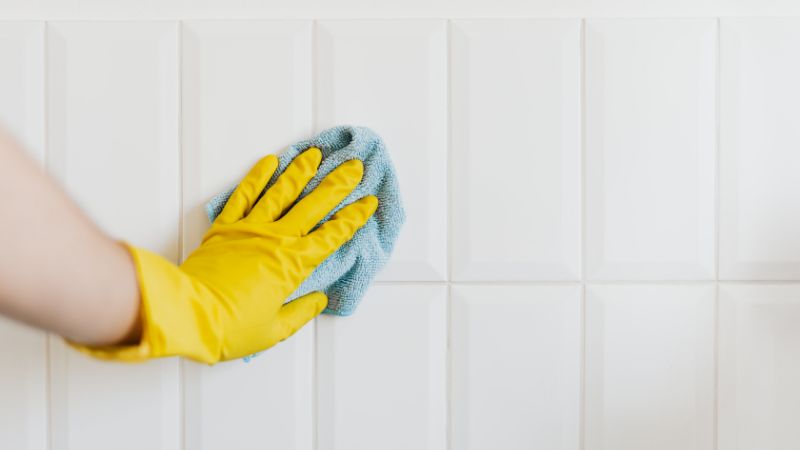
Wall panels clean easily with a damp cloth. Their non-porous surfaces resist moisture, mold, and scratches. You won’t need special products or techniques.
Wallpaper is more delicate. Most types can’t handle moisture or scrubbing. Vinyl wallpaper offers better durability than paper versions, but both can tear or peel if damaged.
Visual Appeal and Interior Design Impact
Wall panels bring physical dimension to your walls, while wallpaper offers endless pattern possibilities. Both transform spaces differently, affecting how your rooms feel and function.
Texture and Physical Depth
Wall panels create real dimension on your walls. Fluted panels and slatted panels add grooves and ridges you can actually touch. This depth catches light throughout the day, which creates shadows and visual interest that shifts with natural lighting.
Wallpaper stays flat against your wall. Even textured wallpaper only mimics depth rather than creating it. Your walls remain smooth to the touch, which works well for smaller rooms where physical texture might feel overwhelming.
Pattern and Color Variety
Wallpaper gives you unlimited design options. You can find any color, pattern, or style imaginable. From bold florals to subtle geometrics, wallpaper lets you match any aesthetic vision.
Wall panels typically come in neutral tones and simple profiles. Your design options focus on panel style and arrangement rather than color or pattern. This simplicity works well for modern interior decor but limits creative expression.
Accent Walls and Feature Walls
Both options excel at creating focal points in your space. Panels work beautifully behind beds or TVs, which add sophistication to your interior decoration. Their vertical lines make ceilings appear higher.
Wallpaper creates dramatic feature walls with eye-catching patterns. You can easily highlight one wall without committing to a full room transformation.
Durability, Longevity, and Functionality
Wall panels outperform wallpaper in toughness and practical benefits. They offer better resistance to damage and adding functional features like sound control and moisture protection.
Resistance to Fading, Peeling, and Tearing
Wall panels hold up much better than wallpaper when facing daily wear. Materials like WPC panels and composite wall panels resist scratches and dents that would damage paper surfaces. You won’t see tearing from accidental bumps or pets.
Fading is another area where panels win. Wallpaper loses color when exposed to sunlight, especially near windows. Quality panels maintain their appearance for 10-20 years without noticeable color loss.
Peeling isn’t an issue with panels since they mount directly to walls. Wallpaper edges lift over time, particularly in humid rooms.
Moisture, Fire, and Sound Insulation
Wall panels add practical benefits beyond looks. Acoustic wall panels reduce noise between rooms, making your space quieter. UV marble sheets and WPC resist water damage in bathrooms and kitchens where wallpaper would bubble or grow mold.
Many panels include fire-retardant properties for added safety.
Long-Term Value and Cost-Effectiveness
Panels cost more upfront but save money over time. You’ll avoid replacement costs since they last decades. Lower maintenance needs mean you spend less on repairs and cleaning supplies, which is more cost-effectiveness.
Suitability for Different Spaces and Lifestyles
Your choice between wall panels and wallpaper depends on where you’re installing them and how long you plan to stay. Different rooms have different needs, and your living situation plays a big role too.
Room-by-Room Applications
Bathrooms and kitchens work best with wall panels. They handle moisture without warping or peeling. PVC panels are great for shower walls, and they wipe clean easily.
Bedrooms and living rooms give you more flexibility. You can use either option here. Wall panels add texture and depth to your home decor, while wallpaper lets you try bold patterns without a big commitment.
Kids’ rooms need durability. Wall panels resist scratches from toys and furniture bumps. If your children like changing their space often, peel-and-stick wallpaper works better since you can swap it out as their tastes change.
Choosing for Rentals and Temporary Spaces
Rentals need removable options. Peel-and-stick wallpaper removes cleanly without damaging walls. You can refresh your home decoration without losing your security deposit.
Wall panels work in rentals if you use adhesive mounting instead of nails. Just check with your landlord first. Wallpaper gives you more design choices at lower costs. It is the go-to option for temporary living situations.
Contact Us at Sinocomfort
We hope this guide has helped you understand whether wall panels or wallpaper are the right fit for your next project. At Sinocomfort, we are dedicated to providing high-quality decorative and upholstery materials to help you transform any space into a masterpiece.
Are you ready to elevate your home or commercial space? Head over to our Contact Us page and fill out our inquiry form. Tell us about your project, and we’ll get back to you with the best solutions.
Frequently Asked Questions
What are the main differences between installing wall panels and wallpaper?
Wall panels often use click-lock or adhesive systems that let you install them quickly. You can cover uneven walls without extensive prep work. Wallpaper needs careful surface preparation and precise alignment with adhesive application.
Can wall panels be a more durable option compared to wallpaper?
Wall panels typically last 10-20 years or more. They resist moisture, impacts, and fading better than wallpaper. Wallpaper can tear, peel, or fade within a few years, especially in high-traffic areas.
How do wall panels and wallpaper compare in terms of cost and installation time?
Wall panels cost more upfront but save money over time since you won’t need frequent replacements. They install faster with less mess. Wallpaper is cheaper initially but may need replacing sooner.
Are there specific rooms in the house where wall panels or wallpaper would be more suitable?
Wall panels work best in bathrooms, kitchens, and basements where moisture is common. Wallpaper suits low-moisture rooms like bedrooms and living rooms.
What variety of styles and finishes are available when choosing between wall panels and wallpaper?
Wall panels come in wood grain, stone, marble, and 3D textured designs. Wallpaper offers countless patterns and colors but stays flat. Panels create depth that wallpaper cannot match.
How easy is it to maintain and clean wall panels versus wallpaper?
You can wipe wall panels clean with a damp cloth. They resist mold and scratches well. Wallpaper requires gentle cleaning and can stain or tear easily.