
Velvet Fabric Uses for Fashion, Decor, and More
Velvet fabric uses span everything from statement blazers and elegant curtains to plush sofa upholstery and eye-catching accessories. Are you redecorating a living room? Are you sewing a garment or picking out drapery? You are already making great decisions. Now, choosing the right type of velvet is taking your project to the next level.We have worked with many velvet types over the years, and this guide matches each application to the fabric that handles it best.
Where Velvet Works Best
Velvet fabrics shine in fashion, home furnishings, and specialty projects. The key is pairing each use with a velvet that has the right weight, drape, and durability for the task at hand.
Fashion and Accessories
Velvet blazers remain a go-to for dressy-casual events because the fabric adds richness without feeling too formal. A stretch velvet works well here since it moves with the body and holds its shape through a long evening.
Velvet shoes, from loafers to heeled pumps, bring texture to an outfit fast. Evening gowns, cocktail dresses, and structured jackets also benefit from high-quality velvet, especially silk or rayon blends that catch light beautifully.
Smaller accessories count too. Velvet ribbons, scrunchies, headbands, and handbags are simple ways to add a velvety touch without committing to a full garment.
Upholstery and Furniture
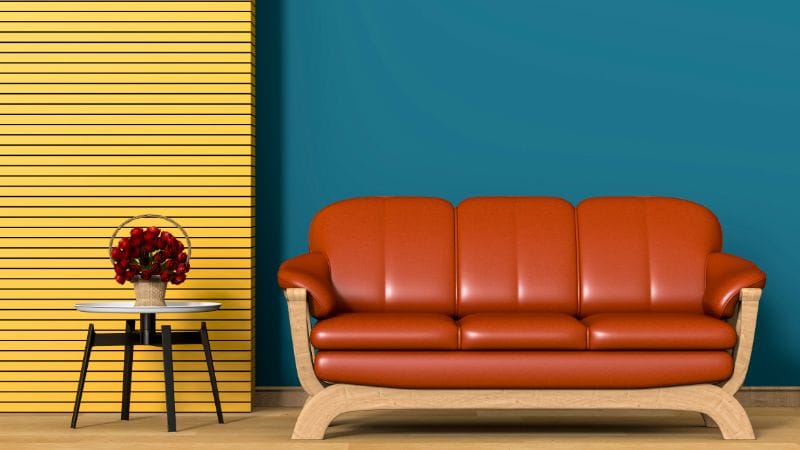
Velvet upholstery on sofas, armchairs, and headboards gives a room an instant sense of warmth. For furniture that sees daily use, performance velvet or a sturdy polyester velvet resists pilling and stains far better than delicate silk options.
Dining chairs covered in cotton velvet strike a nice balance between comfort and easy care. Tufted ottomans and benches also look great in velvet because the pile adds depth to each button or fold.
Curtains, Drapery, and Soft Furnishings
Velvet curtains do double duty. They block light effectively and help insulate a room against drafts. A heavier cotton or polyester velvet drape hangs in smooth, weighty folds that look tailored right out of the package.
Throw pillows, table runners, and blankets are popular soft furnishing choices. These smaller projects let you experiment with bolder colors or textured varieties like crushed velvet without a big investment.
Decorative and Specialty Uses
Theatrical costumes, holiday stockings, jewelry boxes, and gift pouches all rely on velvet for its rich visual presence. Crafters often choose velvet ribbons and fabric scraps for wreaths, ornaments, and scrapbooking accents.
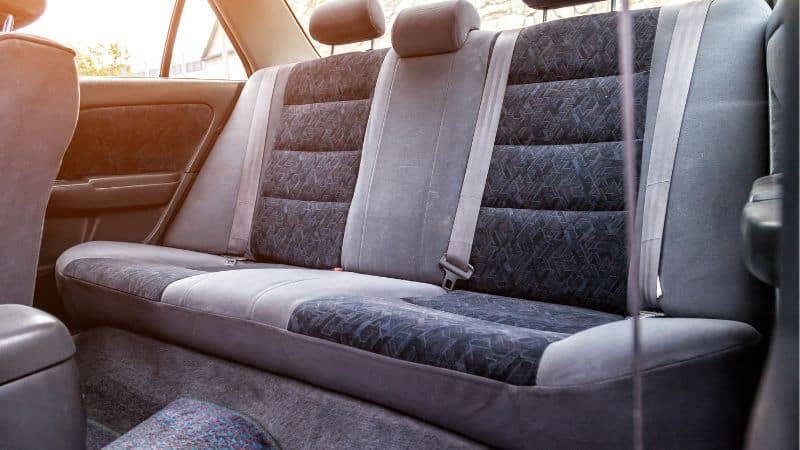
Automotive interiors in some luxury vehicles still feature velvet or velour linings. Even pet beds and small accent rugs sometimes use velvet fabrics for their soft hand feel.
Different Types of Velvet Fabric
With so many velvet types available, the fiber content, weave, and finish each play a role in how a velvet performs. Below is a quick comparison, followed by deeper detail on each category.
| Velvet Type | Best For | Key Trait |
|---|---|---|
| Cotton velvet | Curtains, casual wear | Breathable, matte finish |
| Silk velvet | Eveningwear, luxury decor | Natural sheen, lightweight |
| Rayon velvet | Dresses, decorative pillows | Affordable sheen |
| Polyester velvet | Upholstery, high-traffic use | Stain-resistant, durable |
| Stretch velvet | Fitted garments, dancewear | Four-way stretch |
| Performance velvet | Sofas, family rooms | Spill-proof, cleanable |
| Crushed velvet | Accent pillows, party wear | Textured, reflective |
| Panne velvet | Tops, linings | Flat pile, glossy |
Natural Fiber Options
Cotton velvet is breathable and has a soft, slightly matte surface. It works well for velvet curtains, lightweight upholstery, and casual clothing. The pile is dense yet not overly shiny, which gives it a relaxed look.
Silk velvet is the most luxurious fabric in this family. Its natural sheen and fluid drape make it ideal for evening gowns and high-end decorative items. Silk velvet costs more and requires gentle handling, so it is best saved for pieces that will not see heavy wear.
Rayon velvet offers a similar look to silk at a lower price. It drapes nicely and takes dye beautifully, making it a favorite for dresses and decorative accents.
Synthetic and Performance Options
Polyester velvet is the workhorse of velvet varieties. It resists fading, pilling, and moisture, which makes it a practical pick for velvet upholstery on sofas and dining chairs.
Stretch velvet blends polyester or nylon with spandex. The result is a fabric that hugs curves comfortably, perfect for fitted tops, leggings, and dance costumes.
Performance velvet takes durability further with built-in stain and water resistance. If you have kids or pets, performance velvet on a sofa can handle spills that would ruin silk or cotton options.
Textured and Patterned Varieties
Crushed velvet gets its crinkled, light-catching surface through heat or pressure. It adds drama to throw pillows, accent chairs, and party dresses.
Panne velvet has its pile pressed flat in one direction, creating a high-gloss finish. It is lighter weight and often used in tops, scarves, and garment linings.
Embossed velvet features patterns stamped into the pile with heated rollers. Ciselé velvet combines cut and uncut loops for a raised design against a sheer background. Devoré velvet, also called burnout velvet, uses a chemical process to dissolve parts of the pile, leaving a semi-transparent pattern that works beautifully in eveningwear and elegant shawls.
Velvet Alternatives and Lookalikes
Velveteen is woven differently than true velvet. Its pile sits on a cotton base and is shorter, giving it a stiffer hand. Velveteen is easier to sew and costs less, making it a solid choice for children’s clothing and craft projects.
Velour is a knit fabric rather than a woven one. It stretches more than velvet and feels plush, which is why it appears in robes, tracksuits, and casual loungewear. If you need a soft, velvety look with more give, velour is worth considering.
What Makes Velvet Distinctive
Velvet stands apart from other fabrics because of its raised pile, the way it plays with light, and a production process that has barely changed in principle for centuries.
Pile, Sheen, and Texture
The velvet pile is a dense layer of upright fibers on the fabric surface. When light hits these fibers from different angles, the fabric displays a lustrous sheen that shifts as you move. This light play is what gives velvet its signature depth of color.
Running your hand across velvet changes its appearance because the pile bends in the direction of your stroke. That quality, sometimes called “nap,” is something to keep in mind when cutting pattern pieces so all sections face the same way.
Durability, Warmth, and Drape
High-quality velvet is surprisingly durable. The tightly woven base holds the pile firmly in place, which means a well-made velvet can last for years on a sofa or pair of curtains.
The dense pile also traps air, adding natural insulation. That makes velvet drape feel cozy in cooler months without being bulky. The fabric falls in smooth, heavy folds that look polished on windows and elegant on the body.
How Velvet Is Made
Traditional velvet production uses a double-cloth weaving technique. Two layers of fabric are woven face-to-face on a loom, connected by extra warp threads that travel between them. A blade then cuts those connecting threads down the middle, separating the two layers and creating the pile on each piece.
After cutting, the pile is trimmed to an even height. This step in velvet production requires precision because uneven trimming leads to patches that reflect light differently. Modern looms speed up the process, but the basic principle of weaving and cutting remains the same as it was centuries ago.
Looking for Premium Velvet or Home Decoration Fabric?
If this guide inspired you to refresh your living space with luxurious velvet or explore other beautiful home decoration fabrics, look no further than Comfort Int’l Co., Ltd. — one of the largest suppliers and exporters of upholstery and sofa fabric in the industry. From rich velvet and plush sofa fabrics to curtain fabric and automotive upholstery, we offer a wide range of high-quality materials at competitive prices to suit every style and need.
At Comfort Int’l, we don’t just sell fabric — we deliver a complete, risk-free purchasing experience. Our dedicated quality control team ensures every order meets your exact standards, and our in-house R&D team is constantly developing new, on-trend designs to keep your interiors fresh and fashionable. We also offer flexible payment terms to make sourcing easier for businesses of all sizes.
Ready to find the perfect fabric for your home or project? Contact us today and let our team help you bring your vision to life.
Frequently Asked Questions
What are the most popular ways people use velvet in home décor?
Velvet curtains, throw pillows, and upholstered headboards are among the most common choices. Table runners and blankets in velvet also add warmth and texture to a room without a major redesign.
Is velvet a good choice for upholstery on sofas and chairs?
Yes, especially when you pick a performance velvet or polyester velvet designed for heavy use. These options resist staining, pilling, and fading, which makes them practical for family rooms and dining areas.
What types of clothing is velvet commonly used for?
Velvet blazers, evening gowns, cocktail dresses, and fitted tops are popular picks. Stretch velvet is often used in dancewear and leggings, while silk velvet appears in luxury eveningwear.
What makes crushed velvet different, and when is it best to use it?
Crushed velvet has a deliberately wrinkled texture created by twisting, pressing, or steaming the pile. It catches light in varied directions, making it ideal for accent pillows, statement furniture pieces, and party outfits where you want extra visual interest.
What are the main benefits and key properties of velvet fabric?
Velvet is soft, insulating, and rich in color depth thanks to its dense pile. It also offers a lustrous sheen and strong drape, which is why it works well for both clothing and interior design projects.
How do you care for velvet, and what should you do if it gets wet?
Most velvet should be dry cleaned or spot cleaned unless the care label says otherwise. If velvet gets wet, blot the area gently with a dry cloth and let it air dry away from direct heat. Avoid wringing or rubbing, which can crush the pile and leave permanent marks.