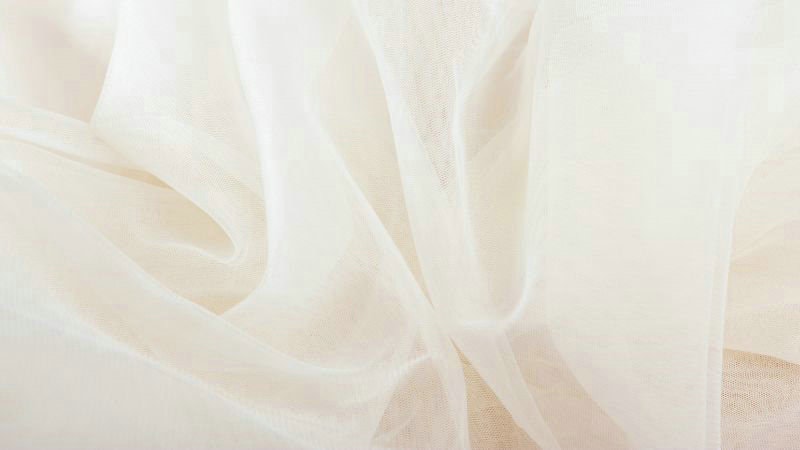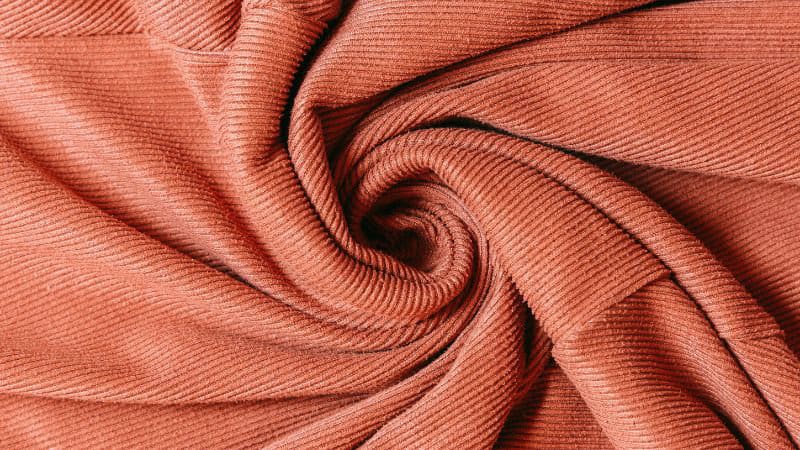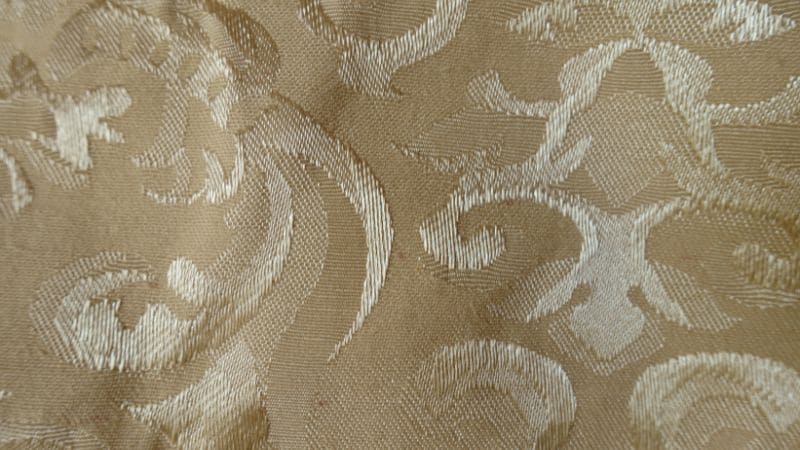

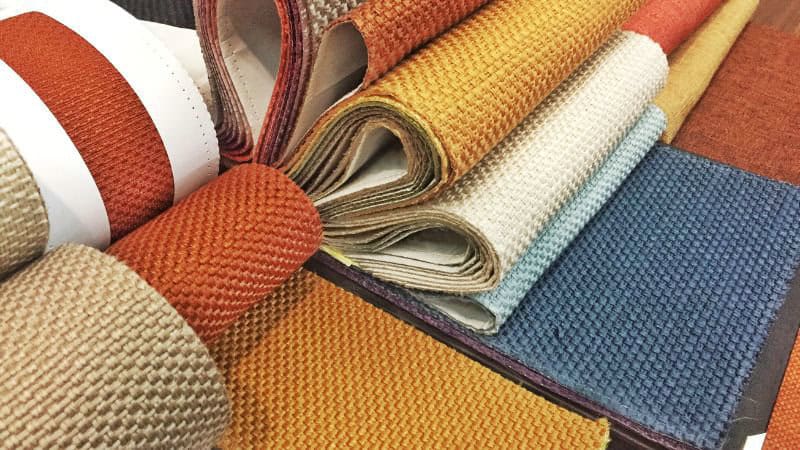
For upholstered furniture, the choice of fabric affects both the appearance and the durability of the piece. Upholstery fabrics come in many materials, each with its own characteristics, benefits, and drawbacks.
This guide covers the most common upholstery fabrics, their features, and how they perform in different applications. We also discuss factors such as thread count, weave, and fiber content that influence fabric quality and longevity. By the end, you will have a clearer understanding of the main upholstery options and how to select the right one for your project.
What is Upholstery Fabrics
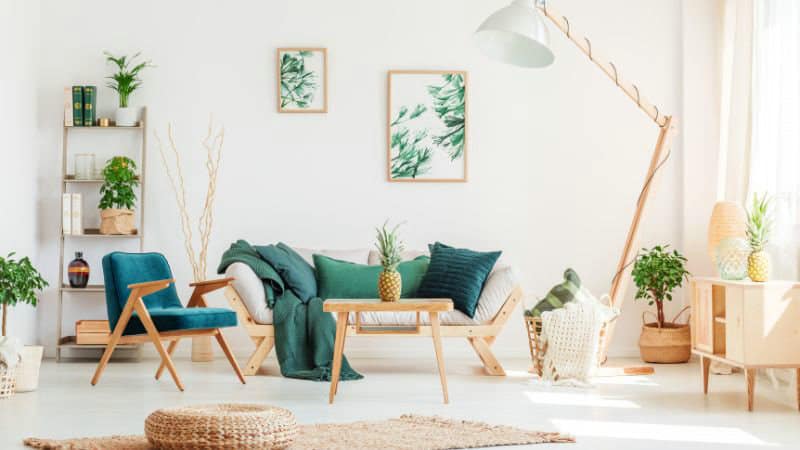
Upholstery fabric is a material used to cover furniture such as sofas, chairs, ottomans, and headboards. It is designed to be durable and attractive, able to withstand regular use while providing comfort and style. Unlike fabrics used for clothing or bedding, upholstery textiles are heavier and more resilient.
Which One is Better: Natural vs Synthetic Fibers
When selecting upholstery fabrics, you will encounter both natural and synthetic options.
Natural fibers—such as cotton, linen, wool, and leather—offer softness and breathability.
Synthetic fibers—such as polyester, nylon, and acrylic—are generally more resistant to fading and staining.
How to Determine Fabric Durability
Two common tests measure fabric abrasion resistance: the Wyzenbeek method (used primarily in the United States) and the Martindale method (more common in Europe and internationally). These tests measure how many rubs or cycles a fabric can withstand before showing signs of wear, such as broken yarns or noticeable changes in appearance. Higher numbers indicate greater durability.
Wyzenbeek double rub guidelines:
- Light use (9,000-11,000 double rubs): Suitable for decorative items and occasional use.
- Medium use (12,000-15,000 double rubs): Suitable for dining chairs and living room furniture.
- Heavy use (15,000+ double rubs): Good for high-traffic areas, family rooms, and commercial use.
Martindale cycle guidelines:
- 10,000-20,000 cycles: General domestic use.
- 20,000-30,000 cycles: Heavy domestic use, including reclining furniture.
- 30,000-40,000 cycles: Commercial or office use.
- Over 40,000 cycles: Suitable for high-wear applications.
Industry organizations such as the Association for Contract Textiles (ACT) recommend a minimum of 15,000 double rubs (Wyzenbeek) or 20,000 cycles (Martindale) for light contract use. Heavy-duty contract applications typically require over 30,000 double rubs or 40,000 cycles.
Common Upholstery Fabrics
When choosing fabric for furniture, consider durability, comfort, and ease of cleaning. Below is an overview of commonly used materials.
Cotton
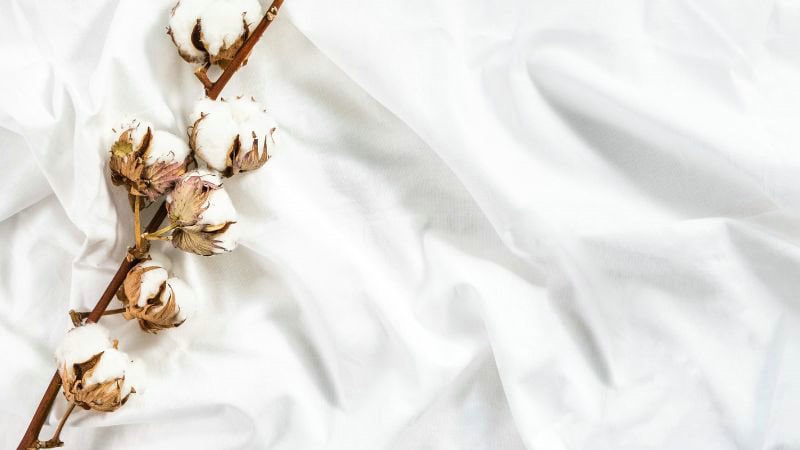
Cotton is a soft, breathable natural fabric made from the fibers around cotton plant seeds. It is one of the most widely used textiles, known for its comfort and durability.
Advantages:
- Breathable and comfortable
- Easy to clean and maintain
- Durable and resistant to wear
- Hypoallergenic
- Accepts dye well, available in many colors
Disadvantages:
- Prone to wrinkling and shrinkage
- Not naturally stain-resistant
- May fade with sun exposure
- Requires frequent cleaning
Best for: Casual, washable furniture such as slipcovers, pillows, and lightweight seating, particularly well in active homes alongside children or pets.
Linen
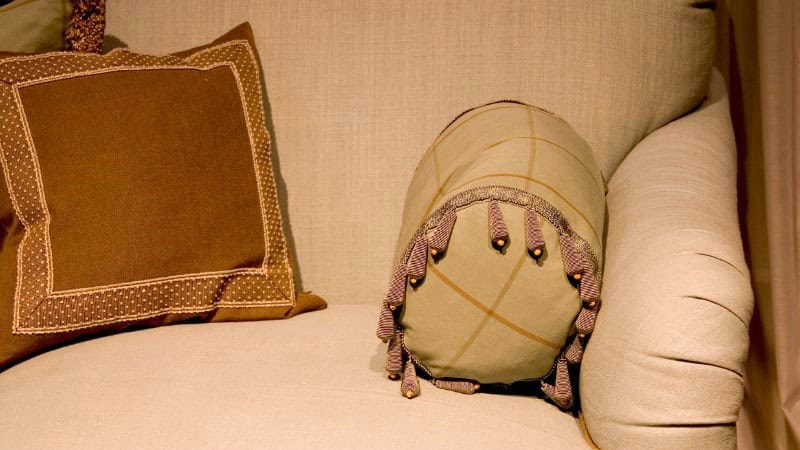
Linen is a strong, lightweight, absorbent natural fabric made from flax fibers. It has a distinctive texture and a relaxed appearance that softens with age.
Advantages:
- Strong and durable, one of the most resilient natural fibers
- Breathable and moisture-wicking
- Hypoallergenic and resistant to bacteria
- Eco-friendly and biodegradable
- Develops a soft, lived-in look over time
Disadvantages:
- Wrinkles and creases easily
- Not naturally stain-resistant
- Can shrink and weaken with heat or bleach
- More expensive than cotton
Linen works well for achieving a casual, relaxed aesthetic on sofas, chairs, and slipcovers. Its durability makes it suitable for high-use furniture, though it may not be the best choice for households with young children or pets.
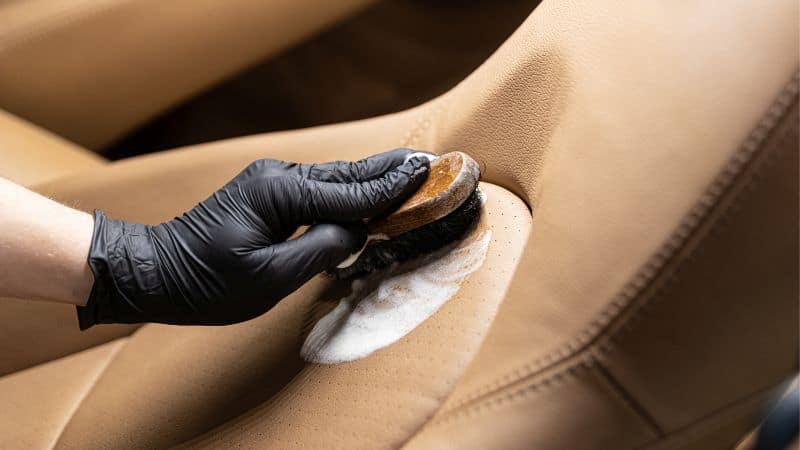
Leather
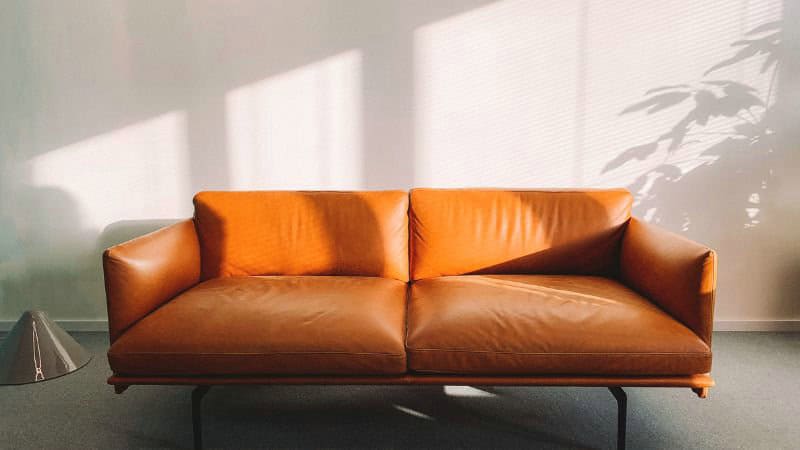
Leather is a durable, flexible material made from tanning animal hides. It has a distinctive natural texture and ages well, developing a unique patina over time.
Advantages:
- Extremely durable and long-lasting
- Easy to clean and maintain
- Resistant to dust, pet hair, and allergens
- Develops a unique patina and softens with age
- Adds a luxurious, high-end look
Disadvantages:
- Can be expensive, especially high-quality leather
- May show scratches, scuffs, and wear marks
- Can feel hot in warm weather, and cold in cool temperatures
- Less breathable than fabric upholstery
- Some may prefer to avoid animal-based materials
Best for: Statement pieces such as sofas, armchairs, and ottomans. Suitable for high-traffic areas and homes with pets, though it may not perform well in very hot or humid climates.
Polyester
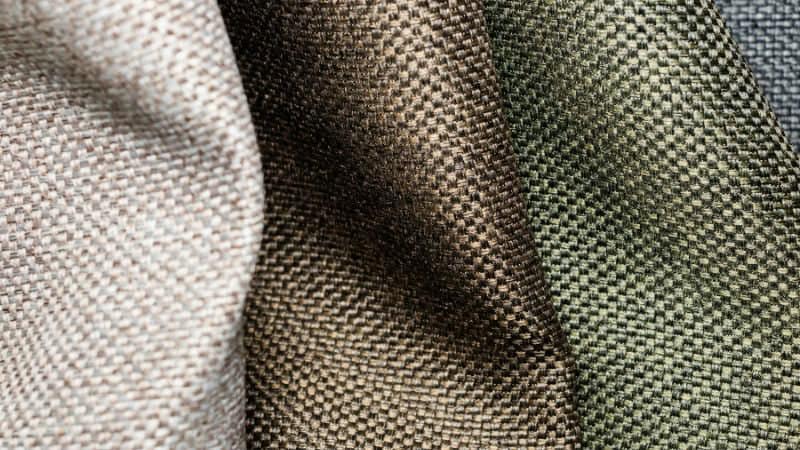
Polyester is a synthetic fabric made from petroleum-based fibers. It is known for its durability, wrinkle resistance, and easy care.
Advantages:
- Highly durable and resistant to wear, fading, and pilling
- Easy to clean and maintain
- Resistant to wrinkling, stretching, and moisture
- Often more affordable than natural fabrics
- Can be blended with other fibers for improved texture
Disadvantages:
- Less breathable than natural fibers
- Can generate static electricity
- May not be as soft or luxurious feeling
- Prone to heat damage and melting
- Made from synthetic materials, less eco-friendly
Best for: Furniture that requires heavy use, such as family room sofas, kitchen chairs, and outdoor upholstery. Its stain resistance makes it practical for homes with children and pets.
Wool
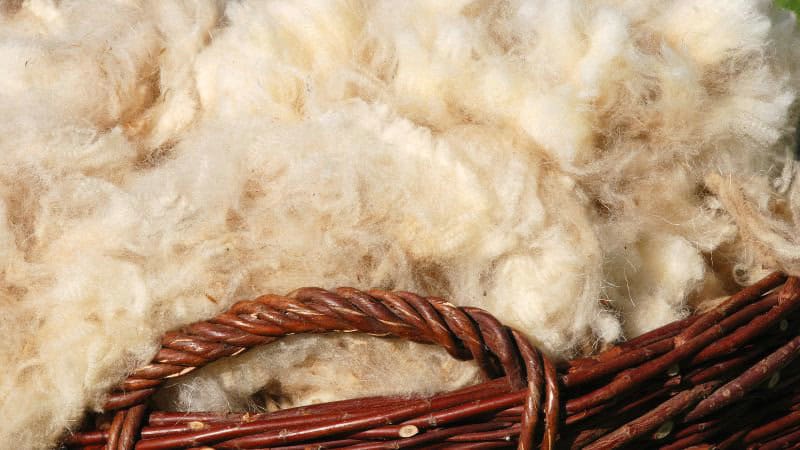
Wool is a soft, durable natural fabric made from the fleece of sheep and other animals. It is valued for its warmth, resilience, and natural texture.
Advantages:
- Durable and resilient; returns to shape
- Naturally fire-resistant and water-repellent
- Eco-friendly and biodegradable
- Offers good insulation
- Luxurious texture with many color and pattern options
Disadvantages:
- Can be expensive, especially high-quality wool
- May feel rough or scratchy depending on the grade
- Requires professional cleaning
- Prone to felting or shrinking if not cleaned properly
- May attract moths and insects if not regularly used
Best for: Classic, tailored furniture styles such as mid-century modern or traditional pieces. Suitable for adult-oriented spaces like formal living rooms or home offices rather than high-traffic family areas.
Nylon
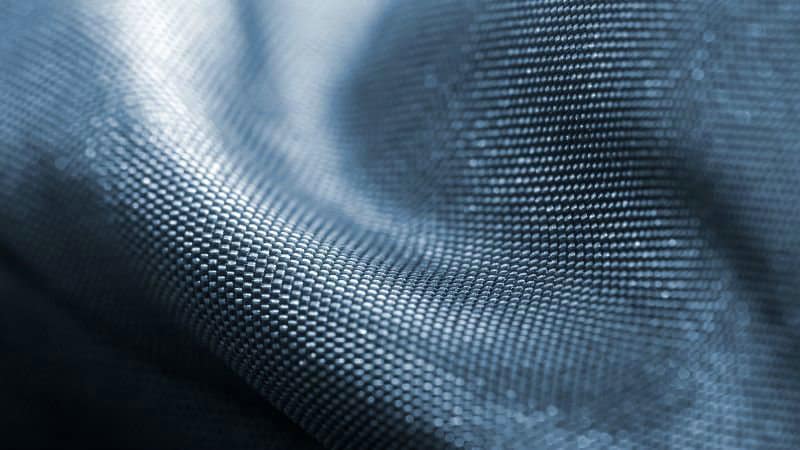
Nylon is a synthetic fabric known for its exceptional strength, durability, and resistance to wear and tear. It is often used in high-traffic applications.
Advantages:
- Exceptionally strong and durable
- Easy to clean and maintain
- Resistant to pilling, wrinkling, and moisture
- Often more affordable than natural fabrics
- Can be dyed and printed with many colors and patterns
Disadvantages:
- Less breathable than natural fibers
- Can generate static electricity
- May have a somewhat shiny or synthetic appearance
- Prone to heat damage and melting
- Made from petrochemicals, not eco-friendly
Best for: Heavily used furniture that requires easy care and long wear, such as family sofas, children’s furniture, and some commercial upholstery applications.
What are the Innovative and Specialty Fabrics
The upholstery materials sector has seen a clear shift toward eco-friendly and hypoallergenic options, alongside ongoing technological advancements in specialty textiles.
Eco-Friendly and Hypoallergenic Options
Rayon is a lightweight option derived from natural cellulose. It is often positioned as a more sustainable alternative to silk, offering a lower environmental impact.
Microfiber is a densely woven fabric that minimizes allergen accumulation, making it a suitable hypoallergenic option.
Denim and jute offer textured alternatives with a lower environmental footprint.
Chenille and acrylic are available in recycled varieties, providing an eco-conscious choice with a soft, plush feel.
Faux leather and vinyl offer a look and feel similar to leather without the use of animal products.
Technological Advances in Upholstery
Olefin is a durable, water-resistant synthetic fabric well suited for high-wear applications. It is produced through a process that transforms petroleum into a material that balances strength with comfort.
It can replicate the appearance and texture of wool while offering superior wear resistance.
Blends that combine natural and synthetic fibers are increasingly common in upholstery. This approach allows manufacturers to draw on the strengths of each fiber type, resulting in improved durability, comfort, and visual appeal.
These materials offer extended durability and added functionality that traditional fabrics cannot match.
How to Choose The Best Fabric for Your Home
For high-traffic areas in your home, such as family rooms, nylon and olefin offer strong durability. Both resist shrinking and moisture; olefin, in particular, provides a feel similar to wool while being engineered for heavy use.
To prevent furniture from fading in sun‑exposed spaces, choose fabrics with lightfastness properties.
For households with children or pets, stain‑resistant and hypoallergenic upholstery supports easier maintenance and a healthier indoor environment.
Frequently Asked Questions
Which fabrics balance comfort and style in furniture design?
Chenille is valued for its soft texture and visual appeal. Velvet offers an elegant appearance while maintaining comfort. Wool blends provide warmth and a textured finish suitable for a range of applications.