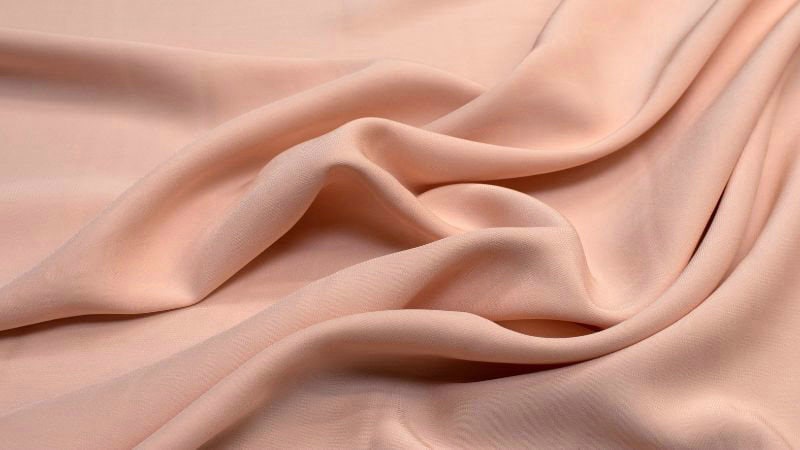

When choosing upholstery fabric for your car, you might wonder whether polyester or cotton is the better option.
Polyester is often more durable and resistant to stains and fading, making it a popular choice for high-traffic areas.
Meanwhile, cotton, the popular fabric, offers a natural feel that many people find comfortable and breathable.

Both polyester fabric and cotton fabric have their pros and cons.
Your choice might depend on your feelings and how often the upholstery will be used.
What is Cotton Fabric
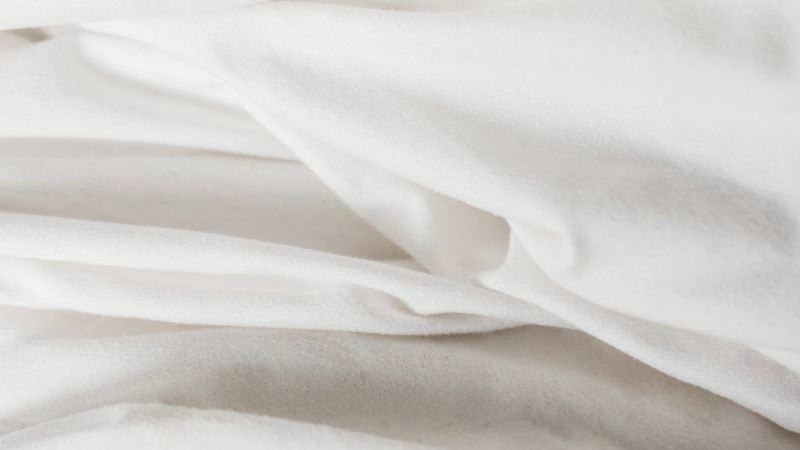
Cotton is a natural fiber that comes from the cotton plant. It is known for its softness and breathability, making it comfortable for upholstery.
Cotton is also hypoallergenic, which means it’s less likely to cause allergic reactions in people.
Cotton is biodegradable, making it a more sustainable choice than other fabric.
What is Polyester Fabric
Polyester fiber is synthetic which is made from petroleum products. It is renowned for its strength and resistance to wrinkles, making it a durable option for upholstery.
It’s a practical choice if you prioritize easy care and longevity over softness.
Which is More Suitable For Car Seat
| Property | Polyester | Cotton |
|---|---|---|
| Comfort (Heat) | Poor (traps heat) | Excellent (breathes well) |
| Moisture Handling | Wicks fast → Quick Dry | Absorbs → Slow Dry |
| Durability | Excellent | Moderate (weakens wet) |
| Wrinkle Resistance | High | Low |
| Cost | Low | Moderate |
| Eco-Footprint | High (oil-based, microplastics) | High (water/pesticides) |
| Skin Feel | Can feel synthetic | Soft/natural |
In cars, polyester is commonly used for seats because of its moisture-wicking properties. This feature helps prevent mildew, making it a solid choice for high-heat areas like parked cars under the sun.
Cotton can be used as well but may not hold up as well against spills and the wear of daily use.
For those who want a luxurious feel, consider cotton blends that mix the softness of cotton with the durability of synthetics.
When choosing upholstery for your car, think about cleaning ease and how it stands up to everyday wear. This way, you can ensure your seats remain both comfortable and easy to maintain.
1. Durability & Longevity
- Polyester:
- Superior strength: Resists stretching, abrasion, and mechanical stress, outperforming cotton in high-use scenarios .
- Shape retention: Minimal shrinkage or deformation after washing/use .
- Cotton:
- Weaker when wet: Loses up to 20% tensile strength when damp, accelerating wear .
- Prone to fading/pilling: Degrades faster under UV exposure and friction .
Verdict: Polyester wins for long-term resilience .
2. Comfort & Climate Control
- Cotton:
- Breathability: Natural hollow fibers allow airflow, reducing heat buildup during long drives .
- Hypoallergenic: Ideal for sensitive skin .
- Polyester:
- Heat retention: Traps body heat, causing discomfort in warm climates .
- Moisture-wicking: Draws sweat away quickly but may feel clammy .
Verdict: Cotton excels in breathability; polyester better for moisture management.
3. Maintenance & Cleanability
- Polyester:
- Stain resistance: Hydrophobic fibers repel liquids (e.g., coffee, rain) .
- Wrinkle-resistant: Retains smooth appearance without ironing .
- Cotton:
- Absorbs stains: Deeply absorbs oils and spills, requiring intensive cleaning.
- Shrinks/wrinkles: High-temperature cleaning damages fibers .
Verdict: Polyester is lower-maintenance and more spill-resistant .
4. Safety & Environmental Impact
- Polyester:
- Fire resistance: Melts rather than ignites, meeting automotive safety standards .
- Microplastic pollution: Sheds microfibers during washing; non-biodegradable .
- Cotton:
- Flammable: Requires chemical treatments for fire resistance .
- Biodegradable: Breaks down naturally but has high water/pesticide footprint in farming .
Verdict: Polyester has safety advantages; cotton is eco-friendlier if recycled.
5. Blends: Optimizing Both Worlds
A 65% polyester/35% cotton blend balances key properties for car seats :
- Durability: Polyester backbone resists daily wear.
- Breathability: Cotton mitigates polyester’s heat retention.
- Cost: 20–30% cheaper than pure cotton .
Used in premium seat batts for cars, offering ventilation (72,000 micro-air pockets) and antimicrobial properties.
Frequently Asked Questions
Is 100% polyester cooler than cotton?
No. 100% polyester is generally less cool than cotton. It traps heat and lacks breathability, making it feel hotter and potentially clammy in warm weather.
What is the best for cleaning car seats?
Leatheror polyester-blend fabrics are easiest to clean. Leather can be wiped with a damp cloth or specialized cleaner. Polyester blends resist stains, repel liquids, and withstand cleaning without shrinking.