
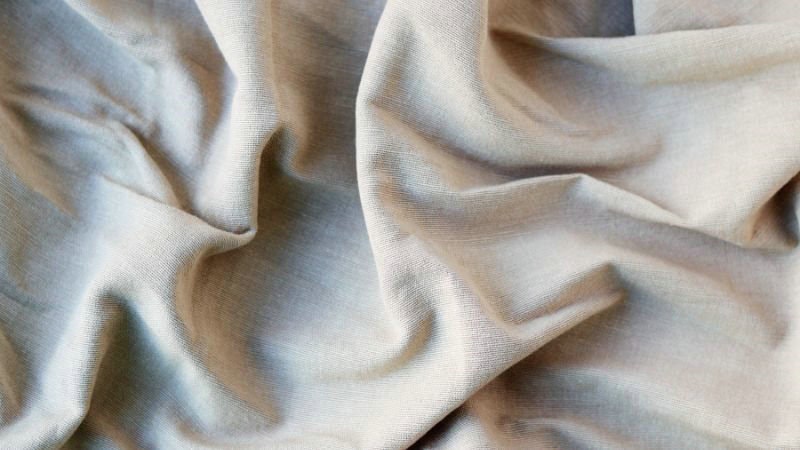
What is Cotton Fabrics?
Cotton is a textile fibre derived from cotton plants. These natural fibers are known for their versatility and comfort.
Characteristics of Cotton Fabircs
Cotton is widely used in apparel, especially t-shirts, jeans, underwear, bedding, and home textiles like sheets, towels, and curtains.
Key Characteristics:
- Softness and comfort
- High breathability
- Good moisture absorption and wicking
- Durability and strength, especially when wet
- Hypoallergenic
- Biodegradable
- Easy to dye and print
- Good draping quality
- Resistant to static electricity buildup
The History of Cotton Production
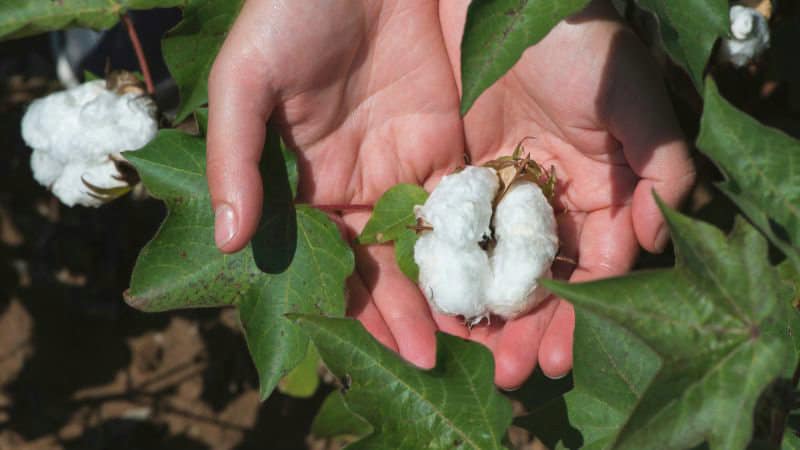
The history of cotton spans over 7,000 years, by 3000 BCE, cotton farming spread to Egypt, China, and Mesoamerica, used for clothing, ropes, and ceremonial artifact.
Inventions like the spinning jenny and power loom enabled mass production in British mills, fueled by raw cotton from colonies.
For now, China, India, and the U.S. lead global production, leveraging mechanized harvesting to replace manual labor in their textile industries.
How Cotton is Made?
The journey of cotton from plant to fabric involves a fascinating series of mechanical and chemical processes that transform raw fibers into versatile textiles.
The raw cotton is cleaned using a cotton gin, which separates seeds, stems, and other impurities from the fibers. Then, fibers are fed into carding machines that disentangle and align them into a thin web, forming a carded sliver.
Slivers are thinned and lightly twisted into roving which is drafted to the desired thickness and tightly twisted into yarn using ring-spinning or modern methods like rotor spinning.
Different Types of Cotton
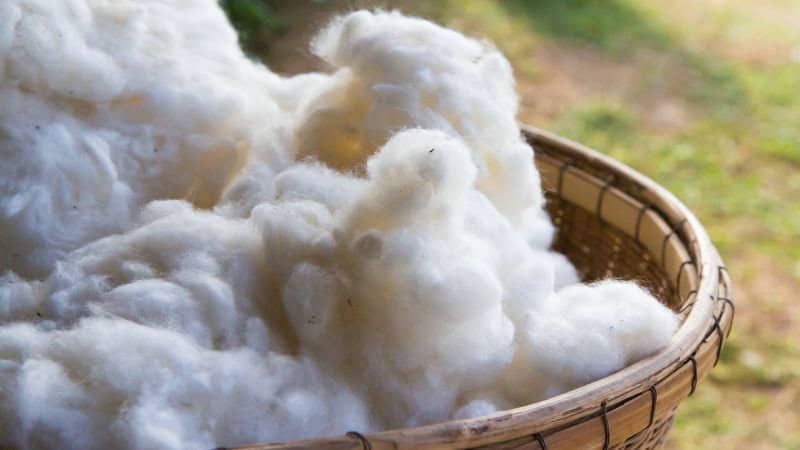
Egyptian cotton is known for its extra-long fibers, which produce a luxurious, soft, and durable fabric.
Pima cotton, another extra-long staple cotton, is similar to Egyptian cotton.
Upland cotton is the most common type, making up about 90% of the world’s production. It’s more affordable but has shorter fibers, leading to less durable and softer fabrics compared to Egyptian and Pima cotton.
Sea island cotton is a rare and highly prized variety of cotton known for its exceptional quality and luxurious properties. It is one of the most sought-after and expensive cotton varieties in the world.
Here is a parameter chart to help you have an overview of the characteristics of each cotton:
| Property | Upland Cotton | Pima Cotton | Egyptian Cotton | Sea Island Cotton |
|---|---|---|---|---|
| Fiber Length | 1.0-1.25 inches | Up to 1.6 inches | Longer than upland | Exceptionally long |
| Fiber Fineness (Micronaire) | 3.0-5.5 | Generally finer | Very fine | Extremely fine |
| Fiber Strength | Moderate | High | High | Very high |
| Maturity | Varies | Generally high | High | High |
| Color | White to off-white | White | White to slightly yellow | Creamy white |
| Trash Content | Varies | Low | Low | Very low |
| Fiber Elongation | 5-10% | 5-10% | 5-10% | 5-10% |
| Moisture Absorption | 7-8.5% | 7-8.5% | 7-8.5% |
7-8.5% |
The Applications of Cotton Fabric
Cotton is used in many applications.
Cotton dominates the clothing industry due to its breathability and softness.
Common Cotton Fabric Types in Fashion
| Fabric Type | Key Features | Apparel Uses |
|---|---|---|
| Denim | Sturdy, fade-resistant | Jeans, jackets |
| Gabardine | Water-repellent, tight weave | Suits, trench coats |
| Poplin | Smooth, lightweight | Shirts, dresses |
| Jersey | Stretchable, soft | T-shirts, casual wear |
Cotton’s absorbency and ease of maintenance also make it ideal for household use, like:
- Bedding: Sheets, pillowcases, and duvet covers for breathable comfort
- Towels & Bathrobes: High water absorption
- Upholstery & Curtains: Canvas and duck cotton for durable sofas, drapes, and cushions
- Table Linens: Stain-resistant treated cotton for tablecloths and runners
Pros and Cons of Cotton Fabric in Car Upholstery
Pros
- Breathability & Comfort: Allows air circulation, reducing heat buildup in seats during warm weather. Soft and hypoallergenic for skin comfort .
- Aesthetic Versatility: Offers diverse textures and vibrant dye retention for stylish interiors.
Cons
- Durability Issues: Wears faster than synthetics; prone to pilling/thinning after 2–3 years of heavy use .
- Stain & Moisture Vulnerability: Absorbs spills quickly, leading to stubborn stains. Retains moisture, risking mold in humid conditions.
How to choose a cotton fabric car seat?
Key Selection Criteria
-
Fabric Composition: Opt for cotton-polyester blends (e.g., 65% polyester/35% cotton) to enhance durability and stain resistance while retaining breathability.
- Heavyweight fabrics: Choose ≥300 g/m² for better longevity.
-
Nano-finishes (e.g., Teflon): Repel spills and prevent stains without blocking airflow.
If you are finding a car seat fabric supplier, call Sinocomfort! Premium Auto Fabrics at Factory-Direct Prices.
Customize, Save & Elevate Your Fleet. Request a Quote Today.
Frequently Asked Questions
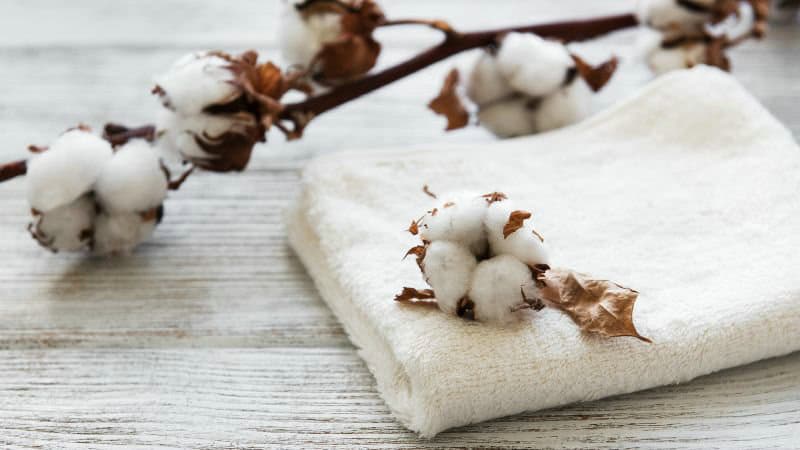
What are the benefits of wearing pure cotton T-shirts?
The natural fibers of pure cotton are gentle on the skin, reducing the risk of irritation or rashes.
What are the distinctive features of cotton fabric?
Cotton is known for being soft, breathable, and highly absorbent. Its strength and durability come from a unique ribbon-like shape with twists, creating microfibrils.
How can you describe the physical attributes of cotton material?
Cotton fibers are soft and have a smooth texture. They display high tensile strength, providing durability for long-term use. The fibers are also hygroscopic, meaning they absorb moisture, which helps in regulating temperature. The fabric generally has a matte appearance and can be easily dyed in various colors.
In what ways is cotton fabric unique compared to other natural fibers?
Cotton stands out due to its superior moisture-wicking properties. Unlike wool, which may feel itchy, cotton offers a gentle touch. While linen tends to wrinkle easily, cotton maintains a smoother finish. Its versatility in being used for everything from clothing to bed linens sets it apart from other natural fibers.
What is organic cotton?
Organic cotton is certified cotton grown without synthetic pesticides, fertilizers, or genetically modified seeds.
What are the quality traits of cotton?
The core quality traits of cotton are fiber length, strength, absorbency, softness, breathability, and durability, which collectively determine its performance in textiles.
What is twill cotton?
Twill cotton is a type of fabric characterized by its distinctive diagonal weave pattern, which combines the natural comfort and breathability of cotton with the durability and texture of the twill weave.