
Curtains do more than dress a window. The fabric you choose decides how much light gets in, how private a room feels, how warm or cool it stays, and how the whole space looks and feels day to day. With dozens of materials, weaves, and finishes on the market, picking the right one can feel overwhelming.
This guide breaks down the most common curtain fabrics, explains their strengths and trade-offs, and shows how performance finishes — flame-retardant, waterproof, anti-mildew — can matter as much as the fiber itself. Whether you’re furnishing a single room or sourcing curtain fabric for a hotel, office, or retail line, you’ll find what you need below.
Why Curtain Fabric Matters More Than You Think
Before comparing materials, it helps to know what a fabric actually controls:
- Light control – Sheer, open weaves let light filter through; tightly woven or coated fabrics block it out.
- Privacy – Denser, heavier fabrics create a stronger visual barrier at night and during the day.
- Insulation – Thicker curtains trap air near the window, reducing heat loss in winter and heat gain in summer.
- Acoustics – Heavy, textured fabrics like velvet and chenille absorb sound and soften echo in a room.
- Durability & care – Fiber content determines whether a curtain can be machine washed, needs dry cleaning, or holds up to years of sun exposure.
- Compliance – For hotels, offices, and other commercial spaces, flame-retardant certification is often a legal requirement, not a preference.
Keeping these factors in mind makes it much easier to match a fabric to a specific room or project rather than choosing on looks alone.
Curtain Fabric Types at a Glance
| Fabric | Light Control | Best For | Care Level |
|---|---|---|---|
| Cotton | Light to medium filtering | Living rooms, kitchens, casual spaces | Easy — machine washable |
| Linen | Light filtering, airy | Coastal, bohemian, minimalist interiors | Moderate — wrinkles easily |
| Polyester | Light filtering to blackout | Everyday use, hotels, rentals | Easy — low maintenance |
| Velvet | Heavy blackout | Bedrooms, media rooms, formal spaces | Dry clean recommended |
| Silk | Light filtering, luxurious drape | Dining rooms, formal living rooms | Dry clean only |
| Chenille | Medium to heavy | Sofas, upholstery, heavier drapery | Moderate |
| Jacquard | Light to medium filtering | Decorative, patterned interiors | Moderate |
| Voile / Sheer | Sheer, diffused light | Layering under heavier drapes | Easy, delicate |
| Blackout-coated | Full blackout | Bedrooms, nurseries, home theaters | Easy — wipeable |
| Nonwoven | Medium, functional | Contract, hospitality, budget projects | Easy — durable |
1. Cotton Curtain Fabric
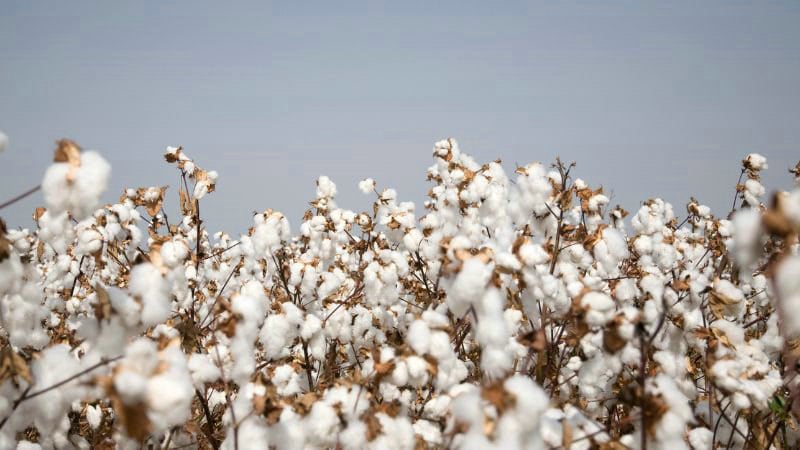
Cotton is one of the most widely used curtain materials because it is breathable, easy to dye or print, and simple to care for. It blends well with other fibers, comes in solids, florals, and embroidered patterns, and suits casual to classic décor. The main drawback is that cotton wrinkles and can shrink slightly after washing, so measurements are worth rechecking after the first clean.

Best for: living rooms, kitchens, children’s rooms, and anywhere a natural, everyday look is wanted.
2. Linen Curtain Fabric
Linen is prized for its breathability and relaxed, slightly textured drape. It’s a strong, renewable natural fiber that softens with each wash, which is why linen curtains often get better with age. The trade-off is a tendency to wrinkle, and linen should be kept out of consistently damp rooms to avoid mildew.
Best for: coastal, Scandinavian, and minimalist interiors where a soft, informal look is the goal.
3. Polyester Curtain Fabric
Polyester is the workhorse of the curtain world. It resists wrinkling and fading, holds color well, and can be engineered with finishes like flame-retardant, anti-static, or blackout backing. Because it performs consistently and costs less than natural fibers, polyester is the default choice for hotels, rental units, and high-volume commercial projects, as well as many home interiors.

Best for: busy households, contract and hospitality projects, and anyone who wants low-maintenance curtains that still look good.
4. Velvet Curtain Fabric
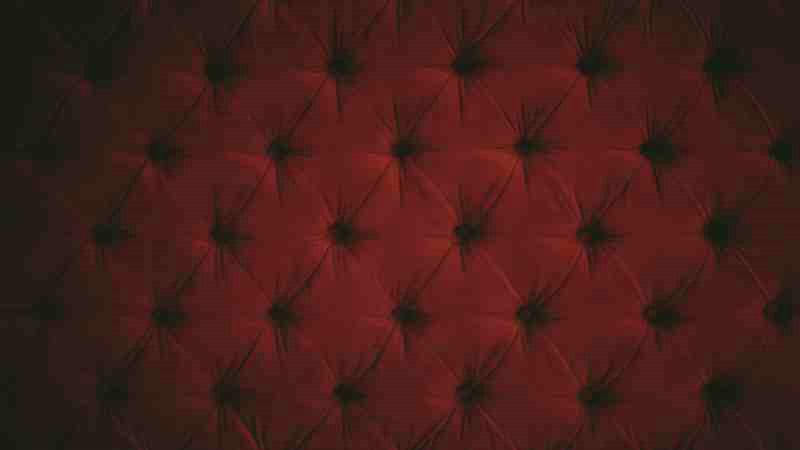
Velvet is the go-to fabric when the goal is drama and warmth. Its dense pile blocks light almost as effectively as a dedicated blackout fabric, and its weight gives curtains a rich, structured fold. Velvet also has strong insulating and sound-absorbing qualities. Because of its weight, velvet curtains need a sturdy rod, and most velvets require dry cleaning to preserve their texture and color.
Best for: bedrooms, media rooms, and formal spaces meant to feel like a retreat.
5. Silk Curtain Fabric
Silk brings a soft sheen and fluid drape that few other fabrics can match. It filters light beautifully rather than blocking it, casting a warm glow into a room. Silk is delicate, though — it should be lined to prevent sun damage and is generally dry-clean only.
Best for: formal dining rooms and living rooms where curtains are meant to be a statement piece.
6. Chenille Curtain Fabric
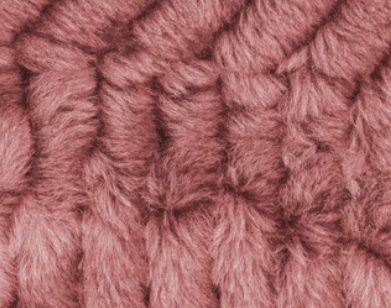
Chenille is a textured, tufted fabric known for its soft hand and durability. It holds up well to daily use, drapes with a slight structure, and is often chosen for both curtains and upholstery, giving a room a coordinated look. Many chenille curtain fabrics are also finished to be water- and abrasion-resistant, making them practical as well as decorative.

Best for: living rooms and family spaces that need texture and durability in one fabric.
7. Jacquard Curtain Fabric
Jacquard fabrics are woven — not printed — with intricate patterns built directly into the fabric structure, giving them a raised, dimensional texture. This makes jacquard curtains feel more substantial and formal than printed alternatives, and the pattern won’t fade or crack the way a surface print can.

Best for: dining rooms, formal living rooms, and hospitality settings that call for a decorative, upscale look.
8. Voile and Sheer Curtain Fabric
Voile is a lightweight, semi-transparent fabric that softens sunlight and adds privacy without blocking the view entirely. Sheers are typically layered in front of or behind a heavier drape, giving a room flexibility between full light, filtered light, and full privacy. Voile is delicate and prone to wrinkling, so it benefits from occasional steaming.

Best for: layering with heavier curtains, and rooms like sunrooms where an airy feel matters most.
9. Blackout Curtain Fabric
“Blackout” describes a function more than a single fiber — it’s usually achieved with a tight triple weave or a foam/acrylic backing bonded to a base fabric such as polyester or velvet. Blackout fabric blocks nearly all incoming light and adds a meaningful layer of thermal insulation and sound dampening.
Best for: bedrooms, nurseries, home theaters, and shift workers who sleep during the day.
10. Nonwoven Curtain Fabric
Less familiar to homeowners but common in commercial sourcing, nonwoven curtain fabric is engineered rather than woven from yarn, which keeps costs down while allowing finishes like water resistance, anti-mildew treatment, and stain resistance to be built in. It’s a practical option for large-scale projects — hotels, hospitals, offices — where consistent performance across thousands of meters matters more than a natural-fiber look.

Best for: commercial and contract projects, and budget-conscious large-volume orders.
Performance Finishes Worth Knowing
Beyond fiber type, the finish applied to a curtain fabric often determines whether it’s suitable for a given space:
- Flame-retardant (FR): Required for most hotels, offices, and public venues; look for certification to standards such as BS 5867 or NFPA 701.
- Waterproof / water-resistant: Useful in kitchens, bathrooms, and humid climates.
- Anti-mildew: Prevents mold growth in damp or poorly ventilated rooms.
- Stain-resistant: Reduces maintenance in high-traffic commercial settings.
- Blackout-lined: Adds opacity and insulation to any base fabric, not just dedicated blackout materials.
How to Choose Curtain Fabric by Room
- Living Room: Linen, cotton, or light-filtering sheers keep the space bright and welcoming.
- Bedroom: Velvet, blackout, or thermal-lined fabrics support better sleep and privacy.
- Dining Room: Silk or jacquard curtains add a formal, polished feel.
- Kitchen: Cotton or polyester blends stand up to humidity and are easy to wipe down or wash.
- Home Office: Light-filtering fabrics reduce glare on screens without fully darkening the room.
- Hotels and Commercial Spaces: Flame-retardant polyester or nonwoven fabrics balance cost, durability, and code compliance.
Caring for Curtain Fabric
Always check the care label first — it’s the most reliable guide for a specific fabric. As general rules:
- Cotton and polyester can usually be machine washed on a gentle, cold cycle and hung to dry.
- Linen does best on a delicate cycle, hung to dry, then touched up with a warm iron or steamer while still slightly damp.
- Silk and velvet should be dry cleaned to protect their texture and color.
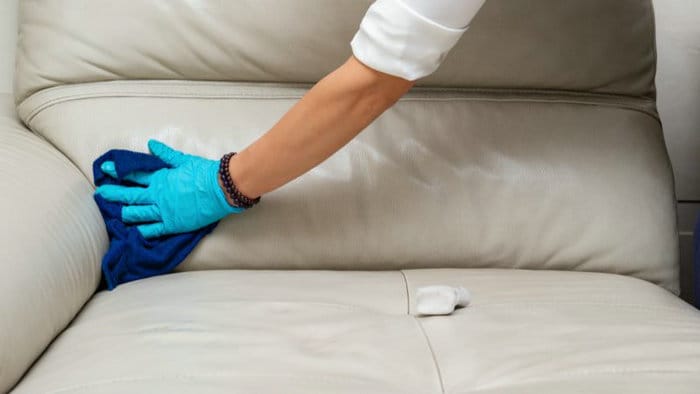
- Blackout and nonwoven fabrics with coated backings are typically wipeable and shouldn’t be machine washed, since washing can damage the coating.
Sourcing Curtain Fabric at Wholesale Scale
For distributors, interior design firms, hospitality buyers, and manufacturers, choosing a curtain fabric involves a different set of questions than a single-room renovation: fabric width and roll consistency, minimum order quantities, lead times, and whether a supplier can customize color, yarn count, or finish for a specific project. Certifications (EN, SGS, ROHS, flame-retardant standards) and the ability to produce solids, jacquards, embroidery, and prints from the same factory also matter when sourcing for multiple product lines at once.
Sinocomfort has supplied wholesale curtain fabric for more than 20 years, offering sheers, linings, blackout fabrics, jacquards, chenille, and nonwoven contract fabric — all made to order with customizable colors, widths, and performance finishes, and compliant with global safety standards. You can browse the full range on our curtain fabric collection page.
Frequently Asked Questions
What is the most durable curtain fabric?
Polyester and polyester blends are generally the most durable and fade-resistant, which is why they’re the default choice for high-traffic and commercial settings.
What curtain fabric blocks the most light?
Velvet and dedicated blackout fabrics (tight triple weaves or foam-backed materials) block the most light, often close to 100%.
What is the best curtain fabric for a humid room like a bathroom or kitchen?
Polyester and treated nonwoven fabrics with water-resistant and anti-mildew finishes hold up best in humid conditions; natural fibers like linen and silk are best avoided there.
Is jacquard or printed fabric better for curtains?
Jacquard patterns are woven into the fabric itself, so they won’t fade or crack the way a printed pattern can over time — making jacquard the more durable choice for long-term use.
Can one curtain fabric work for both light filtering and full privacy?
Not on its own, but layering a sheer or voile with a heavier fabric — or adding blackout lining to any base fabric — gives you both light filtering and full blackout in the same window treatment.
Looking to source curtain fabric at wholesale volume? Explore Sinocomfort’s full range of curtain fabric, including sheers, blackout, jacquard, chenille, and nonwoven contract fabric, custom-made to your project’s specifications.